The Malinois works hard and fast, with high prey and work drive. It excels in bite work and detection, and needs a job every day.
Belgian Malinois protection dogs
Belgian Malinois protection dogs for sale: what to know before you buy
The Belgian Malinois is one of the most capable protection and working dogs in the world, and one of the hardest to live with. If you want a Malinois for protection, the gap between a good dog and a good match is huge. Tell K9PN about your home and experience, and we will refer you to a professional who places Malinois with the right owners.
- Free to request, takes about two minutes
- Trained Malinois from experienced programs
- K9PN refers you and does not sell dogs
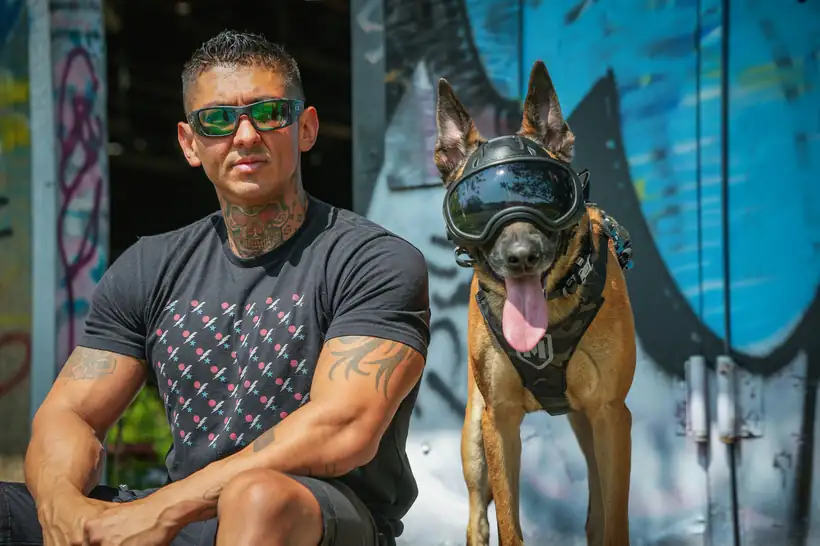
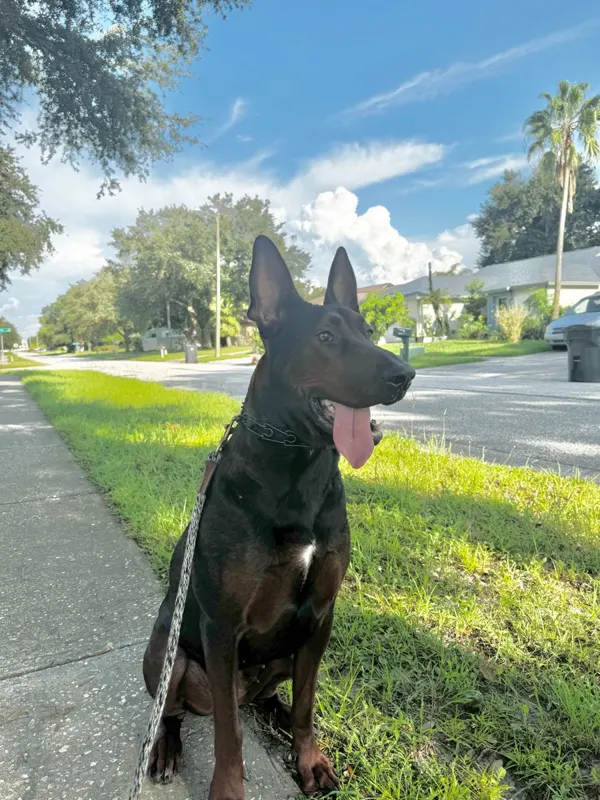
Find a Belgian Malinois protection dogTell us about your household and experience. Include your ZIP code so we can match you with a professional who serves your area.K9PN is a referral service and does not train dogs. By submitting a request you agree that K9PN and a participating trainer may contact you about it by phone, text or email. Message and data rates may apply. See our Privacy Policy.
Key takeaways
- The Malinois is the top police and military breed and a lot of dog for a home.
- It needs hours of exercise and work daily and an experienced handler.
- Ask for hip and elbow results and verify them with OFA.
Belgian Malinois at a glance
Belgian Malinois traits for protection work
What makes the breed excel at protection work, and what makes it demanding.
Lean, fast and quick to change direction. It handles jumping, climbing and demanding physical work.
Eager to work with its handler and quick to learn, but also quick to learn the wrong things if training is inconsistent.
Very aware of its surroundings and reactive to noise, movement and handler mood. Well suited to alerting, harder on a nervous dog.
Forms a deep attachment to its handler. It does best as an indoor working partner, not a backyard dog.
Without exercise, training and rules it becomes destructive, anxious or difficult to manage.
How K9PN works
A referral service, not a seller
What you can expect when you send a request.
K9PN does not breed, sell or train dogs. We pass your request to an experienced professional who serves your area.
Our guides list what to ask any seller or trainer: health tests, contracts, training and aftercare.
It costs nothing to send a request, and you decide whether to work with whoever contacts you.
By K9PN · Founded by Mike Leal, Army Ranger veteran and dog trainer · Reviewed October 2026
Belgian Malinois key facts
Height22-26 in (56-66 cm)
Weight45-65 lb (20-30 kg)
LifespanAbout 12 years in a recent UK study
EnergyVery high
Best forExperienced, active handlers
Watch forBoredom, high prey drive, strong reactions
Belgian Malinois origin and what the breed was built to do
The Malinois is one of the Belgian shepherd varieties, named for the Mechelen (Malines) region of Belgium, where the short-coated fawn dogs with black masks were the most common type among local shepherds. It was bred to herd and guard livestock, which gave it the stamina, alertness and willingness to work that now make it prized for other jobs.
Today the Malinois is used by customs, border, police and military units around the world, including US military forces and the Secret Service, as well as in detection work and dog sports. Its reputation for speed and bite work is a big reason for the demand behind searches like “Belgian Malinois for sale,” and the demand has attracted sellers of widely varying quality. Choose carefully.
Belgian Malinois temperament and protection ability
A good Malinois is intelligent, alert, vigilant and protective, with a strong guarding instinct and a deep desire to work with its handler. It is also sensitive: it picks up on tension, reacts quickly and can be overwhelmed by chaotic environments or inconsistent handling.
For protection, the Malinois is fast, committed and precise when properly trained. The risk is that the same intensity makes mistakes costly. A Malinois that has not been socialized, exercised and given clear rules can become reactive, bite out of fear or excitement and wear out its owner. The right dog in the right hands is exceptional, and the wrong dog in the wrong hands is a liability.
Living with a Belgian Malinois
A Malinois needs far more than a walk around the block. Plan on substantial daily exercise and training: running, structured work, games that use its mind and time practicing obedience. It can live indoors comfortably if its needs are met, and it is a poor choice for a household that is out all day or hopes to keep it in a yard.
- Children. Some Malinois are fine with children they grew up with, but the breed's speed, mouthiness and herding instincts make it a risky choice for homes with small children. Always supervise.
- Other pets. High prey drive can make small animals, and sometimes other dogs, a problem. Introduce carefully and expect to manage.
- Home and neighbors. It can adapt to indoor living, but noise, boredom and confinement make it destructive. A secure fence is essential.
- Grooming. The short coat is easy, though it sheds.
Belgian Malinois health: what to screen for
The Malinois is generally athletic and sturdy, but reputable programs test their breeding dogs. Veterinary and breed-club guidance for Belgian shepherds recommends hip and elbow dysplasia screening for all varieties and epilepsy testing for the Malinois. Ask for evaluations of the dog's parents and, if the dog is an adult, its own hips and elbows, and check the records yourself through a registry such as OFA. A recent UK study reported an average lifespan of about 12 years for the breed.
A working dog can also pick up injuries, so ask about the dog's training history and have your own veterinarian examine it before you buy.
Is a Belgian Malinois right for you?
It may suit you if
- You have real experience with high-drive working dogs, or you will commit to professional handler training
- You can give the dog a job and hours of exercise and training every day
- Your home is active, structured and not full of toddlers
- You want a dog for serious protection or detection work and have a plan for it
- You work with a professional who knows the dog
Think twice if
- You are a first-time dog owner or want a relaxed family pet
- You are away from home for long stretches
- You have young children or small pets and little time to supervise
- You are choosing the breed for its image
- You cannot afford ongoing training and veterinary care
Training and handling a Belgian Malinois
The Malinois learns quickly, so every training session teaches something, whether or not you intended it. Consistency, clear rules and a calm handler matter more than anything. Reward-based and balanced methods can both work in skilled hands, and harsh handling tends to backfire with a sensitive dog.
Start with obedience and impulse control: a reliable sit, down, stay, heel and recall, and an off switch so the dog can settle in the house. Protection work comes later and should be done with an experienced professional, with a dependable out and a dog that stays neutral in public. If you already own a Malinois, see protection dog training.
Buying a Belgian Malinois protection dog: what to ask
- Where did this dog come from, and what are the parents' working and health records?
- What lines is the dog from: working, sport or show, and why does that suit my home?
- How does the dog behave around strangers, children and other dogs, and what does it do under stress?
- Has it had a dependable out and a settled off switch in the house, and can I see both?
- How much exercise and mental work does this particular dog need each day?
- What handler training is included, and what happens if the dog does not fit my home?
The full checklist is in our buying guide, and cost ranges are in the cost guide.
How K9PN matches you with a Belgian Malinois protection dog professional
K9PN is not a marketplace where anyone can pay to be listed, and we do not sell dogs. We refer people to experienced, independent professionals and look at the things that decide whether a working dog turns out safe and reliable in real life:
- Real working-dog experience. How long they have trained or placed protection, sport or police-style dogs, and whether the person who trains your dog is the experienced one.
- Stability before bite work. Good programs start with a sound temperament, clean obedience and control, and only then add protection work. A dog that is only intense is not a protection dog, it is a liability.
- Transparency. You can see the dogs, the facility and the training, meet the parents or the dog's working history, and get a written contract.
- Handoff and support. Handler training for you and your family, and follow-up after the dog comes home. The dog is only half the system.
- Legal and insurance awareness. Honest advice about liability, local rules and what the dog is and is not trained to do.
Read our guide to buying a protection dog for the questions to ask any seller or trainer.
A note on the law and your responsibility
This page is general information, not legal, insurance or veterinary advice. Dog laws, breed rules and liability differ by state, county and city, and by your lease, HOA and insurer, so check them before you buy.
Common questions
Is the Belgian Malinois a good protection dog?
Yes, for the right handler. It is fast, driven and highly trainable, and widely used by police and military units. It is also intense and demanding, so it is a poor choice for first-time owners or sedentary homes.
Is a Belgian Malinois good for a family?
Sometimes, with an experienced, active family and careful supervision. The breed's speed, drive and mouthiness make it risky around small children, and many are better suited to a single handler or an active household without toddlers.
How much does a Belgian Malinois protection dog cost?
A pet-quality breeder puppy is reported to cost at least about $1,200, with show or breeding quality higher, while fully trained protection dogs from professional programs cost many thousands more. See our cost guide for what drives the price and what else you will pay.
How much exercise does a Malinois need?
A lot: substantial daily physical exercise plus mental work and training. A walk is not enough. Without a job and structure, the breed often becomes destructive or anxious.
Are Belgian Malinois dangerous?
Not inherently, but they are powerful, fast and intense, and they can be dangerous in the wrong hands or when poorly socialized and trained. Proper breeding, handling and supervision matter.
Should I buy a Malinois puppy or a trained dog?
For protection, many owners are better off with a started or trained dog whose temperament is proven. A puppy is a gamble on genetics and your own training, and a Malinois puppy is a lot of work.
Does K9PN sell or train protection dogs?
No. K9PN is a referral service and does not breed, sell or train dogs. We pass your request to a professional trainer or working-dog program that matches what you asked for and serves your area. It costs nothing to send a request, and you decide whether to work with whoever contacts you.
Related
- Protection dogs for sale
- German Shepherd protection dogs
- Dutch Shepherd protection dogs
- Trained protection dogs
- Protection dog cost
- How to buy a protection dog
Sources and further reading
For dog trainers
Do you train or place protection, sport or police K9 dogs?
K9PN refers people who are looking for a protection dog, protection training, sport dog training or K9 programs to professional trainers. We also build the website, CRM and follow-up that turn those enquiries into clients. Book a call to ask about availability in your area.
Types of dog training
Compare the types of dog training
Each format has its own page explaining how it works, who it suits and what to ask a trainer.
Board and train dog training
Your dog stays with a trainer for an intensive program, then you learn to keep the results going at home.
Private (1-on-1) dog trainingOne-to-one sessions built around your dog and your goals, at home or at the trainer.
Virtual dog trainingLive video coaching with a trainer, from wherever you are. Currently available in Florida.
Types of dog training comparedBoard and train, 1-on-1, virtual, group and day training side by side, and how to choose a trainer.
Want a Belgian Malinois from a professional you can trust?
Fill out the request form and a professional will contact you.
Find a protection dog