Your dog stays with a trainer for a program. Best for busy owners and dogs that need a head start, if the environment and trainer are right.
Guide
Types of dog training: which one fits your dog?
Board and train, private 1-on-1 sessions, virtual coaching, group classes and day training all work, for different dogs and different owners. Here is how each one works, what it costs you in time and involvement, and how to tell a trainer with real experience from one who is not.
- Plain-English comparison of every format
- What to ask before you hand over your dog
- Free to request a referral
Not sure which fits?Tell us about your dog and where you live. We will refer you to a trainer who can recommend the right format.K9PN is a referral service and does not train dogs. By submitting a request you agree that K9PN and a participating trainer may contact you about it by phone, text or email. Message and data rates may apply. See our Privacy Policy.
The main formats
Dog training types at a glance
Each has its own page with local details.
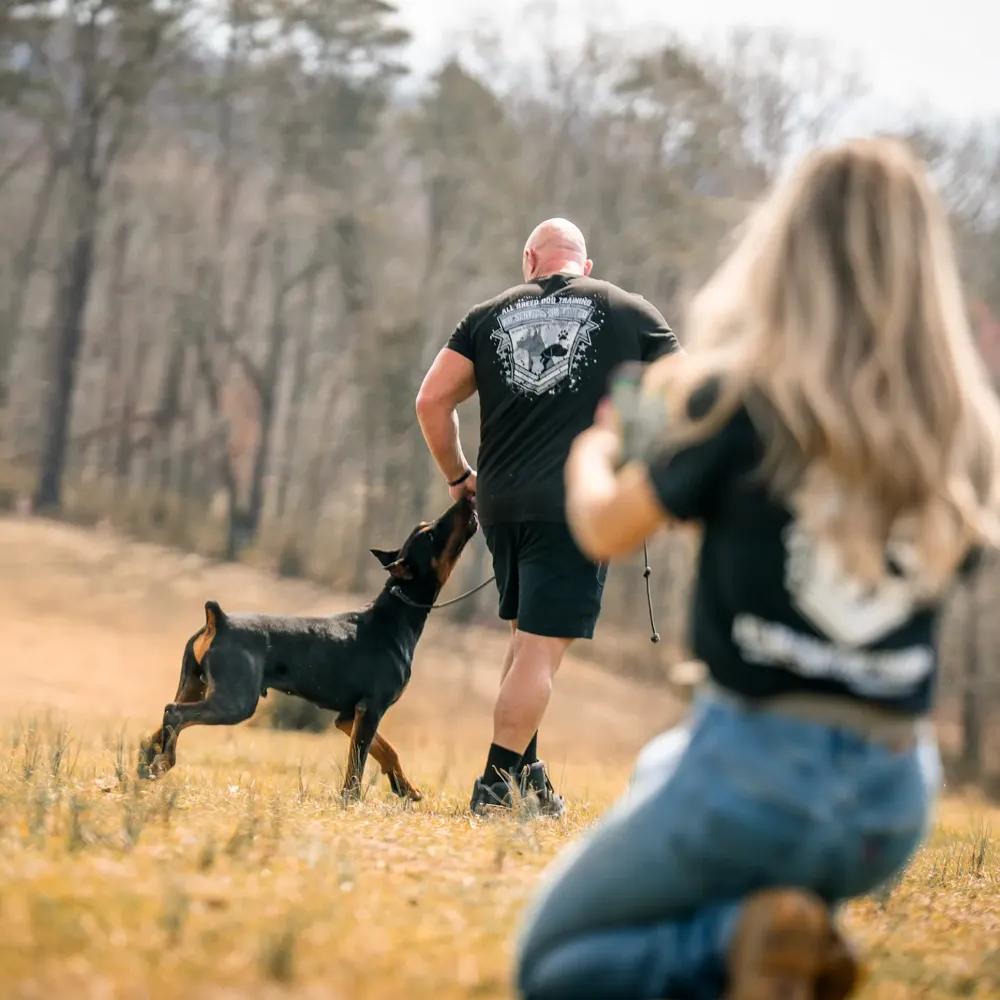
A trainer coaches you and your dog together. Best when you want to learn the handling yourself or your dog struggles in real-life situations.
Live video coaching from home. Best for foundations and everyday manners. Currently available to Florida residents only.
How it works
From request to trainer in three steps
K9PN is a referral service. We do not train dogs. Trainers set their own prices and programs.
Share your dog's age and breed, whether you want board and train, 1-on-1 sessions or virtual training (Florida only for now), and where you live. It takes about two minutes and costs nothing.
K9PN is a referral service. Based on what you need and where you live, we refer your request to a professional trainer who offers it.
The trainer calls you to talk through your goals, pricing and scheduling. You decide whether it is a fit.
Board and train
Your dog stays with the trainer for days or weeks. It can give a fast start on obedience and manners, but it is the format where the trainer and the environment matter most, because your dog lives there. See board and train for what a good program includes.
Private 1-on-1 training
A trainer works with you and your dog together, in your home, a training ground or real-world locations. You learn the handling, so results tend to carry over to daily life. See 1-on-1 dog training.
Virtual training
Live video coaching where the trainer watches your dog and guides you through each exercise at home. It suits foundations, manners and everyday problems, not serious aggression. See virtual dog training.
Group classes
One trainer teaches several dogs and owners at once. Group classes are good for socialization and for practicing around distractions, and usually cost less per session. They are a weaker fit for behavior problems, since the trainer cannot focus on your dog alone.
Day training
Your dog goes to the trainer during the day and comes home at night. It gives some of the benefit of board and train without your dog living away, and the lessons at pickup matter just as much.
Comparing the formats
| Format | Best for | Your involvement |
|---|---|---|
| Board and train | Busy owners, stubborn habits, a head start on foundations | You learn the handling at pickup and keep it up at home |
| 1-on-1 sessions | Learning to handle your dog yourself, behavior problems, puppies | You attend every session and do the homework |
| Virtual training | Foundations and everyday manners from home, flexible schedules | You run each exercise on camera while the trainer coaches you |
Franchise training vs an experienced independent trainer
Training is not a licensed profession in most places, so anyone can use the title. Large franchises and chains can be convenient, but the experience of the person who actually trains your dog varies widely, and some programs lean on junior staff and busy, crowded facilities. An experienced independent trainer is usually the one doing the work and answering your questions. This is a general pattern, not a rule, so judge each trainer on the answers below rather than the brand.
- Who will personally train my dog, and how long have they been training dogs?
- How many dogs do you train at once, and how many are in the building overnight?
- Where exactly will my dog sleep and spend the day? Can I see it?
- Will my dog be in a crate or kennel for most of the day, or living in a home like mine?
- Do you train in the real world, such as walks, stores, visitors and house rules?
- How will I learn to handle my dog, and what follow-up is included?
- Do you guarantee results? (Be careful. Nobody can honestly guarantee behavior.)
Red flags
- Guaranteed results or a fixed timeline for every dog
- No lessons for you at pickup
- You cannot see where your dog will stay or how they train
- Pressure to sign up on the spot or pay for a large package up front
- Heavy reliance on harsh tools or punishment, with no explanation
- The person selling you the program is not the person who trains your dog
How we match you with a trainer
K9PN is not a franchise and not a directory where anyone can pay to be listed. We refer dog owners to experienced, independent trainers, and we look at the things that decide whether training works in real life:
- Real experience. How long the trainer has worked with dogs, what kinds of dogs and problems, and whether the person who trains your dog is the experienced trainer or a junior hire.
- Where your dog actually lives. A dog that spends the program in a crowded kennel room or a stack of crates does not learn to settle in a normal home. We favor trainers who keep few dogs and train in realistic settings.
- Training in the real world. Walks, public places, visitors and house rules, not only drills in one room.
- You are part of it. Lessons at pickup and follow-up, so the results last once your dog is home.
Read more in our guide to the types of dog training and how to choose a trainer.
Common questions
What is the best type of dog training?
There is no single best type. Board and train gives a head start if you are busy, 1-on-1 training gives you the handling skills, virtual coaching is convenient for foundations and group classes help with socialization. The trainer matters more than the format.
Is board and train better than 1-on-1 training?
Not always. Board and train can speed up foundations, but the results only last if you learn to keep it going. 1-on-1 training puts you in charge from the start and works well for problems that happen in your daily life.
Are franchise dog trainers bad?
Not necessarily, and experience varies by location and person. What matters is who trains your dog, how long they have been doing it and where your dog stays, so ask the questions on this page of any trainer, franchise or independent.
How do I know a trainer is experienced?
Ask how long they have trained dogs, what kinds of dogs and problems they handle, and who will personally work with your dog. Ask to see where your dog will stay and to watch a session, and be wary of guarantees.
Is K9PN a dog training company?
No. K9PN is a referral service and does not train dogs. We pass your request to a professional trainer we work with who offers the kind of training you asked for and serves your area. It costs you nothing to send a request, and you decide whether to work with the trainer who calls you.
Related
For dog trainers
Are you a dog trainer in your area?
K9PN passes local dog-training requests like the ones on this page to professional trainers in the area so new-client inquiries reach you without you running ads. Book a call to ask about availability in your area.
Types of dog training
Compare the types of dog training
Each format has its own page explaining how it works, who it suits and what to ask a trainer.
Board and train dog training
Your dog stays with a trainer for an intensive program, then you learn to keep the results going at home.
Private (1-on-1) dog trainingOne-to-one sessions built around your dog and your goals, at home or at the trainer.
Virtual dog trainingLive video coaching with a trainer, from wherever you are. Currently available in Florida.
Want a trainer you can trust?
Fill out the request form and a trainer will call you back.
Find a trainer