Obedience, tracking, area and building searches, handler protection and apprehension.
Police K9 and LEO training
Police K9 and LEO training: handler courses, certification and trainers
Police K9 programs train a dog and handler as a team for patrol, detection and apprehension work, then certify them to agency or association standards. Agencies, private security teams and handlers all look for experienced trainers. K9PN refers them to professionals who offer this training. We do not train dogs.
- Patrol, detection and handler courses
- Free to request, takes about two minutes
- A professional contacts you. K9PN does not train dogs
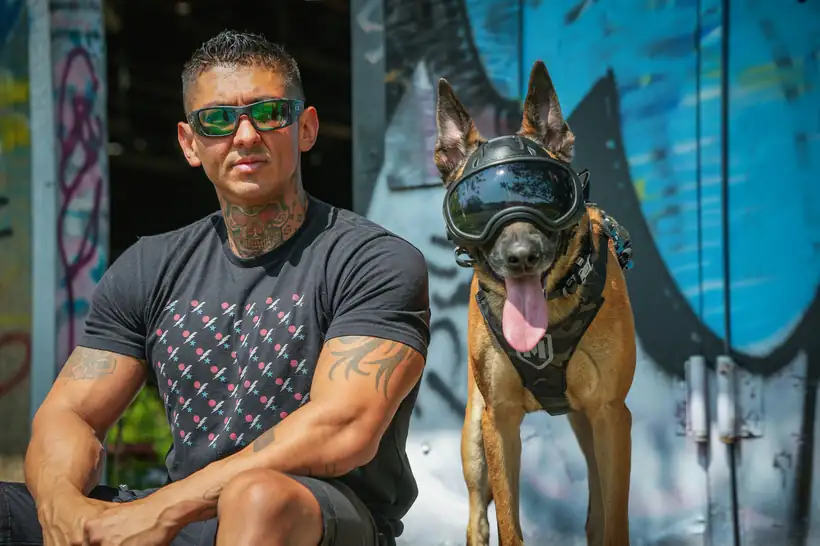
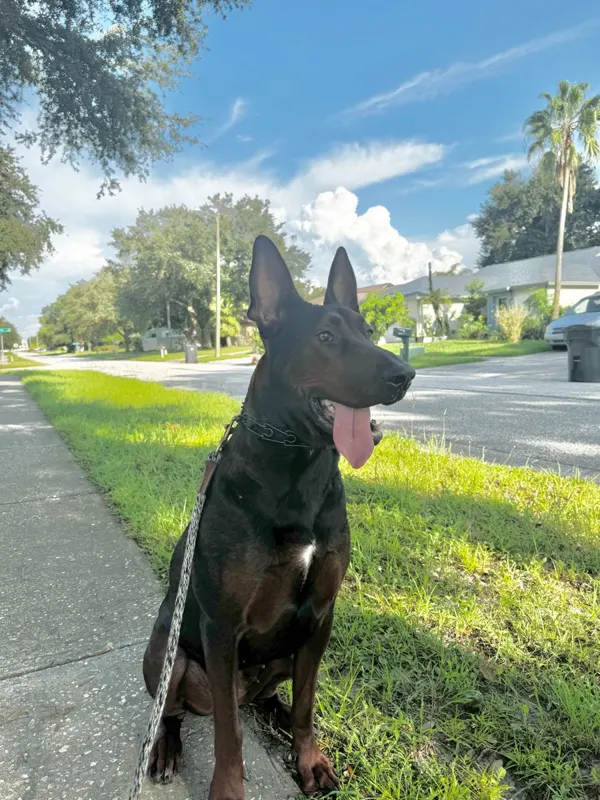
Find a police K9 trainerTell us about your agency or team and what you need. Include your ZIP code so we can match you with a professional who serves your area.K9PN is a referral service and does not train dogs. By submitting a request you agree that K9PN and a participating trainer may contact you about it by phone, text or email. Message and data rates may apply. See our Privacy Policy.
Key takeaways
- K9 programs train the dog and handler as a team and certify them to a standard.
- Standards and certification vary by state and association.
- Agencies should check credentials, records and references.
Types of K9 training
What police K9 training covers
Programs usually combine dog training with handler training.
Narcotics, explosives or other odor detection, trained and certified to a standard.
Patrol and detection skills in one dog, common in smaller agencies.
Teaching the officer to read, command and care for the dog, and to document and testify.
Ongoing training and certification to keep the team current.
Training for security companies and private handlers, with different legal limits than police work.
How K9PN works
A referral service, not a seller
What you can expect when you send a request.
K9PN does not breed, sell or train dogs. We pass your request to an experienced professional who serves your area.
Our guides list what to ask any seller or trainer: health tests, contracts, training and aftercare.
It costs nothing to send a request, and you decide whether to work with whoever contacts you.
By K9PN · Founded by Mike Leal, Army Ranger veteran and dog trainer · Reviewed October 2026
How police K9 training works
A K9 team usually starts with a suitable dog, often a Belgian Malinois, German Shepherd or Dutch Shepherd, and a handler. The dog is evaluated for drive, nerve and health, then trained in obedience, tracking, searching and, for patrol dogs, controlled apprehension. The handler trains alongside the dog so the two work as a team. Courses commonly run for several weeks, and the length depends on the program and the dog's starting point.
Certification
Certification standards vary. Some states set requirements, and several national and regional police canine associations offer certification for patrol and detection work. Ask an agency or trainer which standard applies to your area and how recertification works.
What agencies look for in a K9 trainer
- Verifiable police or military K9 experience and training credentials.
- Training records, documentation and a track record with other agencies.
- Training for the handler as well as the dog, and ongoing support.
- Clear policies on use of force, liability and legal defensibility.
- References from other departments.
Funding and legal considerations
Agencies often fund K9 programs through budgets, grants and donations, and handlers’ liability depends on state law and department policy. Check your agency's policies and consult counsel for legal questions. This page is general information only.
Where to find dogs
Agencies source dogs from vendors, breeders and sometimes imports. Read our police K9 for sale guide for what to look for.
How K9PN matches you with a police K9 trainer professional
K9PN is not a marketplace where anyone can pay to be listed, and we do not sell dogs. We refer people to experienced, independent professionals and look at the things that decide whether a working dog turns out safe and reliable in real life:
- Real working-dog experience. How long they have trained or placed protection, sport or police-style dogs, and whether the person who trains your dog is the experienced one.
- Stability before bite work. Good programs start with a sound temperament, clean obedience and control, and only then add protection work. A dog that is only intense is not a protection dog, it is a liability.
- Transparency. You can see the dogs, the facility and the training, meet the parents or the dog's working history, and get a written contract.
- Handoff and support. Handler training for you and your family, and follow-up after the dog comes home. The dog is only half the system.
- Legal and insurance awareness. Honest advice about liability, local rules and what the dog is and is not trained to do.
Read our guide to buying a protection dog for the questions to ask any seller or trainer.
Common questions
How long is police K9 training?
Handler courses commonly last several weeks, and programs vary by agency, discipline and the dog. Ongoing training and recertification continue throughout the dog's career.
What breeds are used for police K9 work?
The Belgian Malinois and German Shepherd are the most common, and Dutch Shepherds are also used. Detection dogs may also include Labradors and other breeds.
Can a private person train a dog for law enforcement?
Private trainers do provide dogs and training to agencies. Agencies should check credentials, documentation and legal standards.
What does a police K9 cost?
Trained police dogs are expensive, and figures vary widely by vendor, dog and training. Ask vendors for written quotes and what is included.
Do private security dogs have the same legal status?
No. Police dogs work under law enforcement authority and policy. Private security dogs have different legal limits, so check state and local law.
Does K9PN sell or train protection dogs?
No. K9PN is a referral service and does not breed, sell or train dogs. We pass your request to a professional trainer or working-dog program that matches what you asked for and serves your area. It costs nothing to send a request, and you decide whether to work with whoever contacts you.
Related
For dog trainers
Do you train or place protection, sport or police K9 dogs?
K9PN refers people who are looking for a protection dog, protection training, sport dog training or K9 programs to professional trainers. We also build the website, CRM and follow-up that turn those enquiries into clients. Book a call to ask about availability in your area.
Types of dog training
Compare the types of dog training
Each format has its own page explaining how it works, who it suits and what to ask a trainer.
Board and train dog training
Your dog stays with a trainer for an intensive program, then you learn to keep the results going at home.
Private (1-on-1) dog trainingOne-to-one sessions built around your dog and your goals, at home or at the trainer.
Virtual dog trainingLive video coaching with a trainer, from wherever you are. Currently available in Florida.
Types of dog training comparedBoard and train, 1-on-1, virtual, group and day training side by side, and how to choose a trainer.
Want a police K9 or LEO trainer?
Fill out the request form and a professional will contact you.
Find a trainer